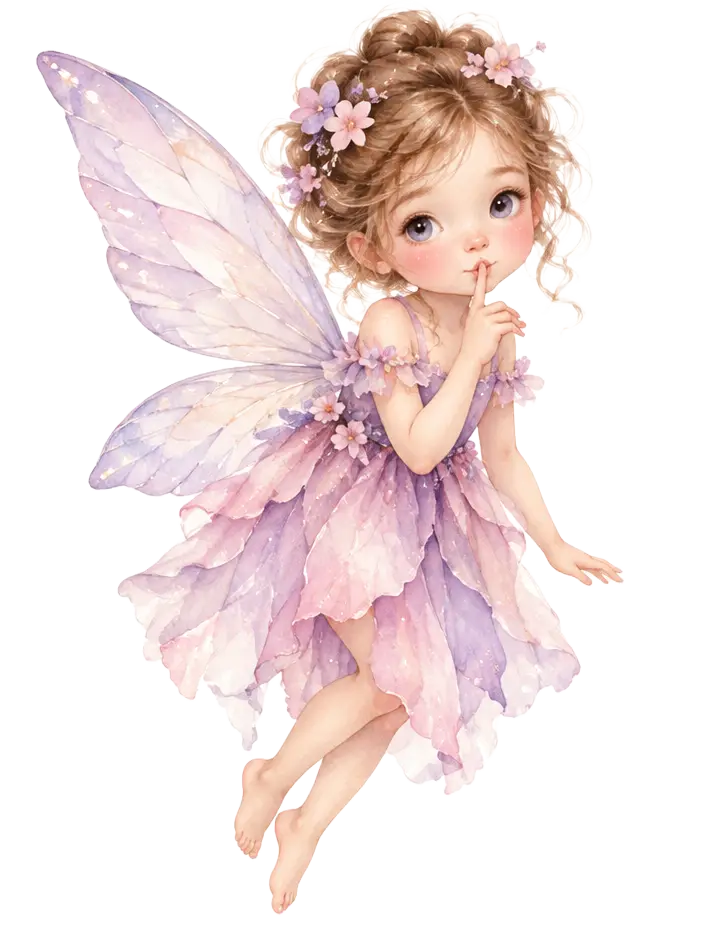
A little fairy holding a finger to her lips, keeping a secret

Ripples of Joy

A Little Fairy Secretevery Sunday

One small thought to read, share, and carry with you through the week.

Nothing is ever lost — every secret we have shared is kept here, so you can read the ones you missed.

This week

Craft Hack

The secret life of air-dry clay

Air-dry clay is not only for figures. It also works as glue, as a shield and as insulation.

Everyone uses clay to make little figures. It is also a glue, a shield and an insulator, and children love it more once they know that.

Clay makes play figures that harden and last, and that is where most of us stop. But clay is also one of the most useful materials in the house, and showing a child its other jobs turns a craft material into a real tool.

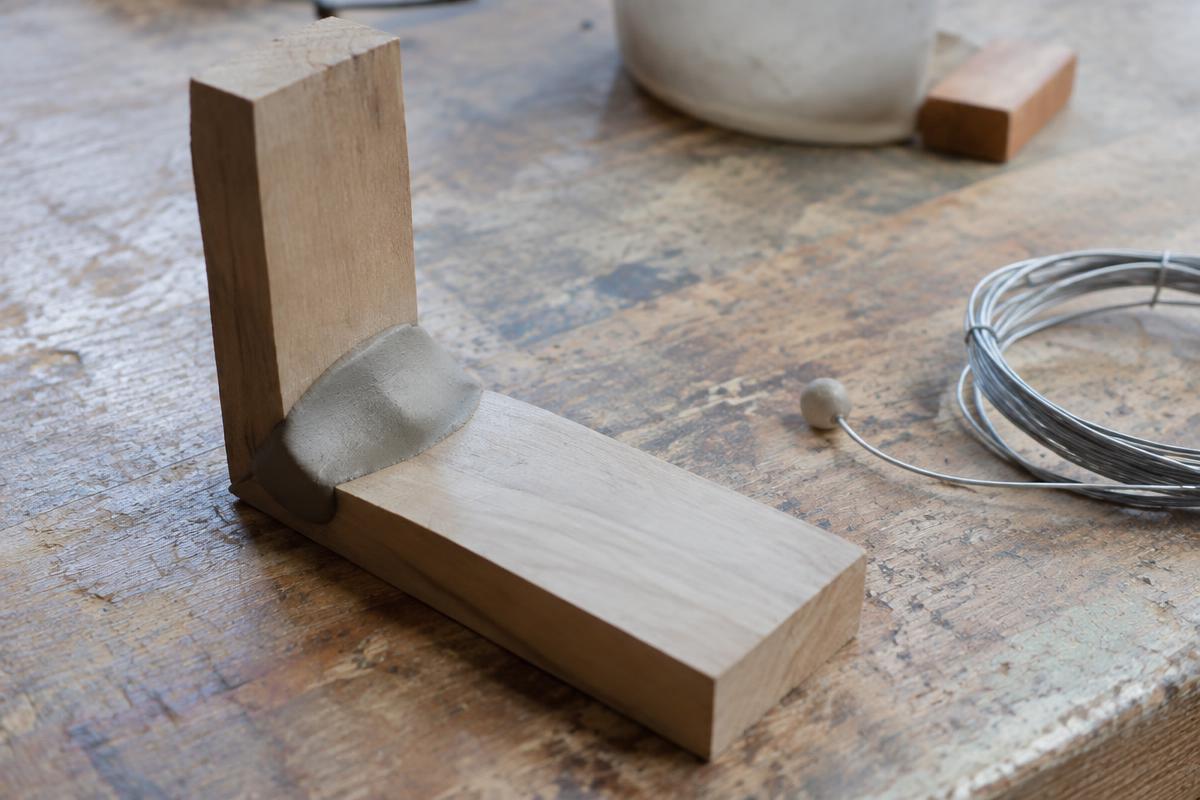
It glues. A blob of clay pressed between two pieces of wood or cardboard holds them together firmly once it dries, with no bottle and no mess.

It protects. Press a thin layer of clay around a plain photo frame or over a hard phone case and let your child decorate it with pressed leaves, fingerprints, tiny shapes. The object becomes theirs, and the layer softens every knock.

It insulates. A small ball of clay covering the bare end of a wire is an easy, visible way to show children how we keep something sharp or exposed from touching anything else.
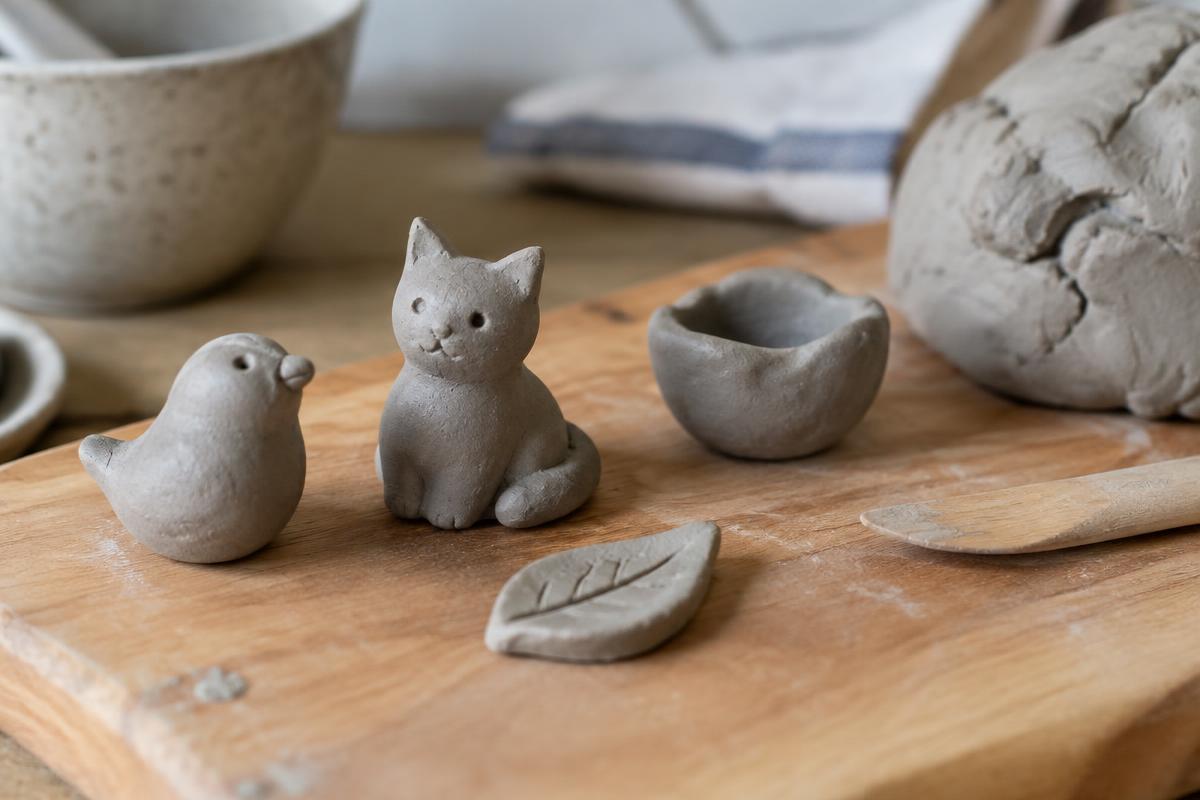
Small hand-shaped air-dry clay animals drying on a wooden board next to a lump of soft clay
The familiar job: little figures that harden and stay.
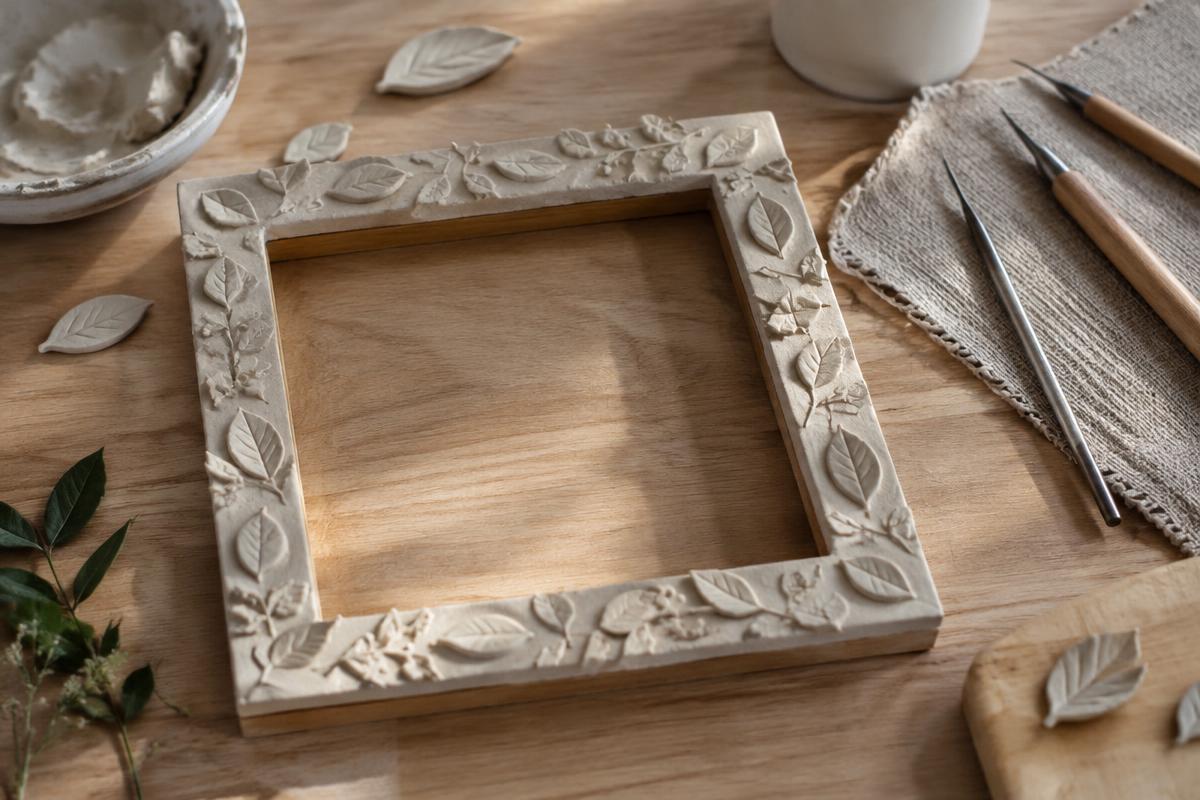
A wooden picture frame covered with a thin layer of clay pressed with leaf shapes
As a shield: a thin layer over a frame, decorated with pressed leaves.
Two wooden blocks joined with a blob of grey clay, beside a coil of wire with a clay ball on its end
As glue between two blocks, and as a cap over a bare wire end.
Nature Whisper

One item in the wild

Take one single item on a nature walk and let the outdoors supply everything else.

Autumn is here, and the cooler days invite us to spend more time outside. So here is a simple idea for your next nature walk: take just one item with you, and let the outdoors supply everything else.

I discovered this by accident. One day, I brought a small sewing kit along on a walk, with no plan for it at all. We simply looked around and asked: what could we do with a needle and thread out here?

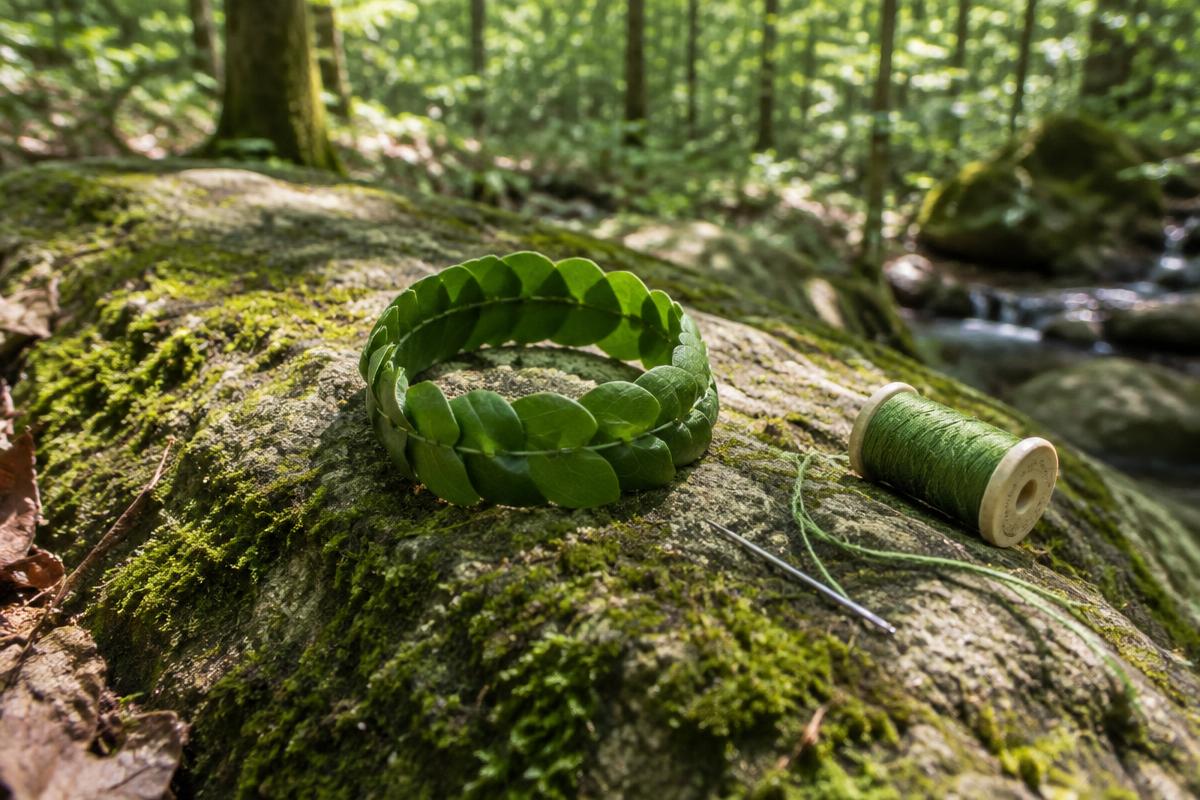
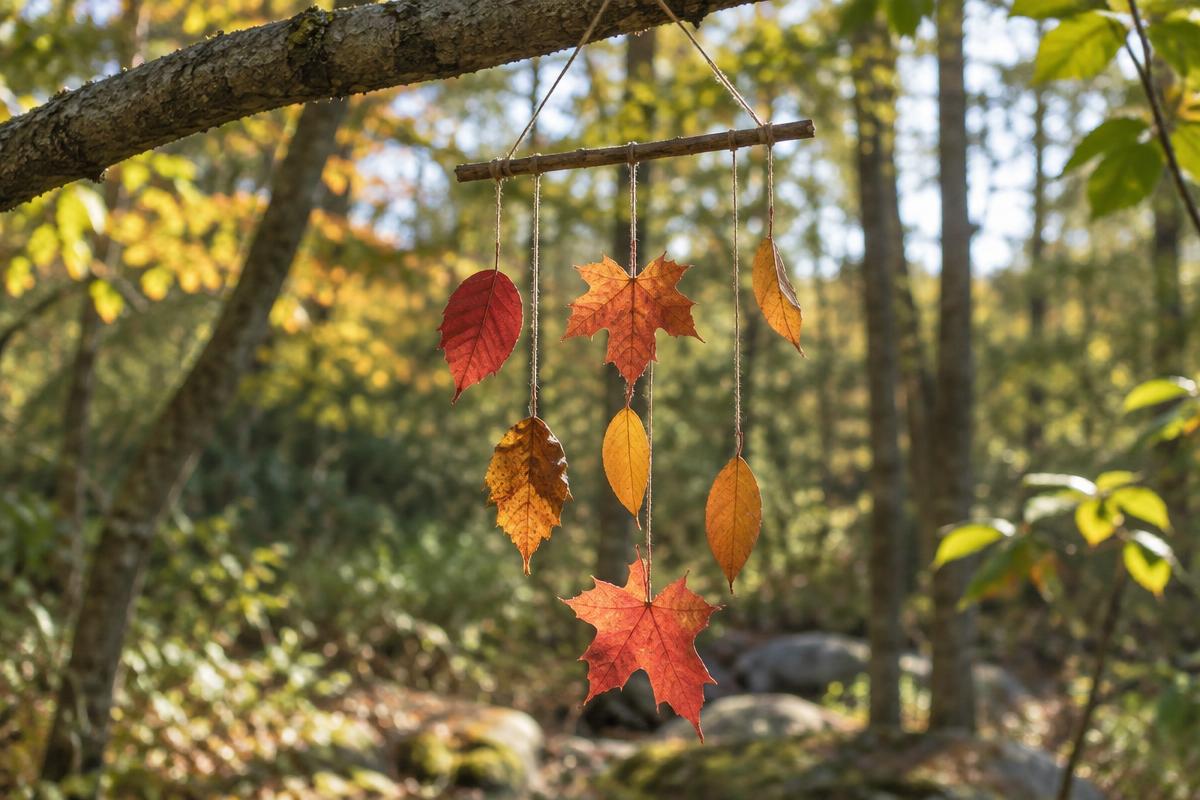
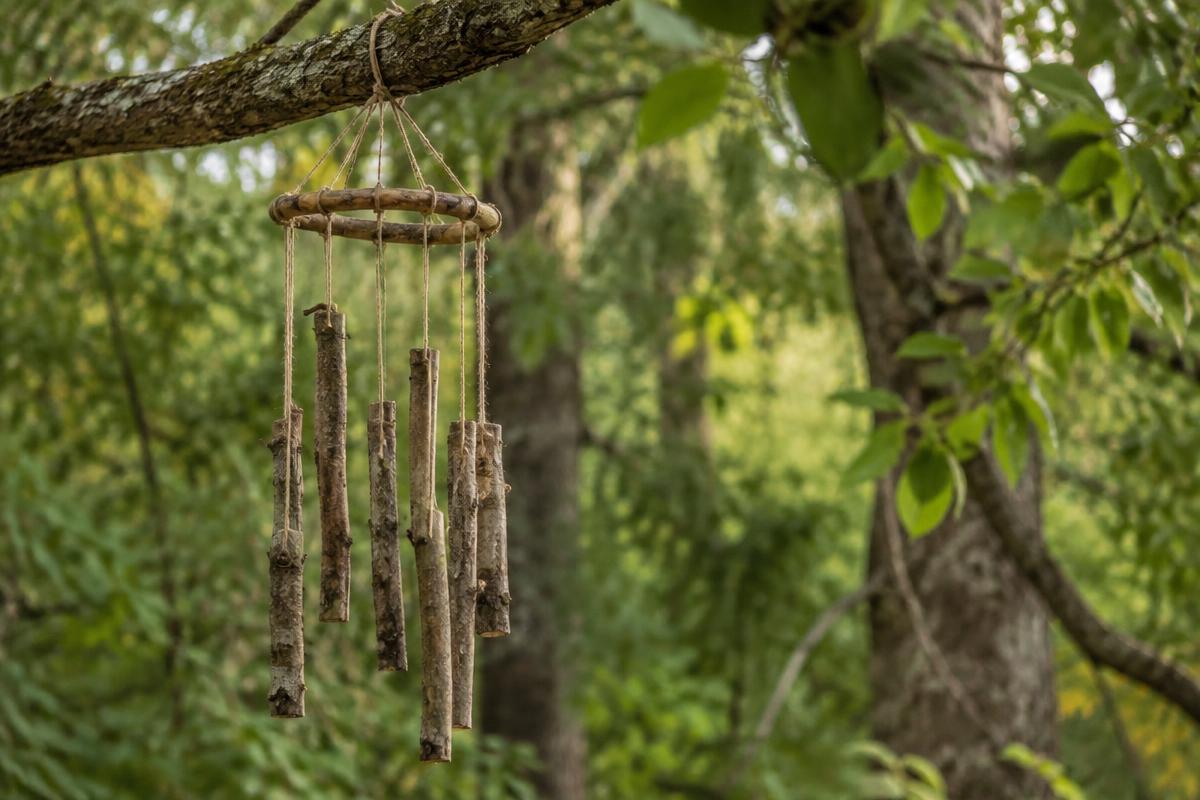
We threaded leaves onto string to make bracelets. We tied a row of leaves onto a stick and hung it from a branch as a little mobile. We strung thin twigs onto thread and made a wind chime that clicked softly whenever the breeze moved.

One item. An entire afternoon of inventing.

Try it with anything: a ball of string, a roll of tape, a magnifying glass, a handful of clothes pegs. The rule is simple: bring just one item and let the environment supply the rest.

I find that when there is less to choose from, children often find more ways to create.

One small thing to start with. The rest is already outside.

A bracelet made of green leaves threaded on thread, resting on a mossy rock in a forest
Leaves threaded into a bracelet, right where we found them.
A mobile of autumn leaves hanging on threads from a stick tied to a tree branch
A stick, some thread, and a mobile hanging in the trees.
A handmade wind chime of thin wooden twigs hanging on threads from a tree branch
Thin twigs on thread, a wind chime that clicks in the breeze.
Little Fingers & Play

Teaching a child to write starts in the hand

Before the letters comes the hand. Strong little hands help children write with greater control and less fatigue.

Teaching a child to write is not only teaching letters. Long before worksheets, it is building the control, stability, and endurance that make holding a pencil feel easy.

We often begin with the alphabet, but writing actually begins in the hand. Before children can shape letters, they need a hand that can guide a pencil with control, steer it where they want it to go, and keep going without tiring. That foundation is built through play, long before worksheets.

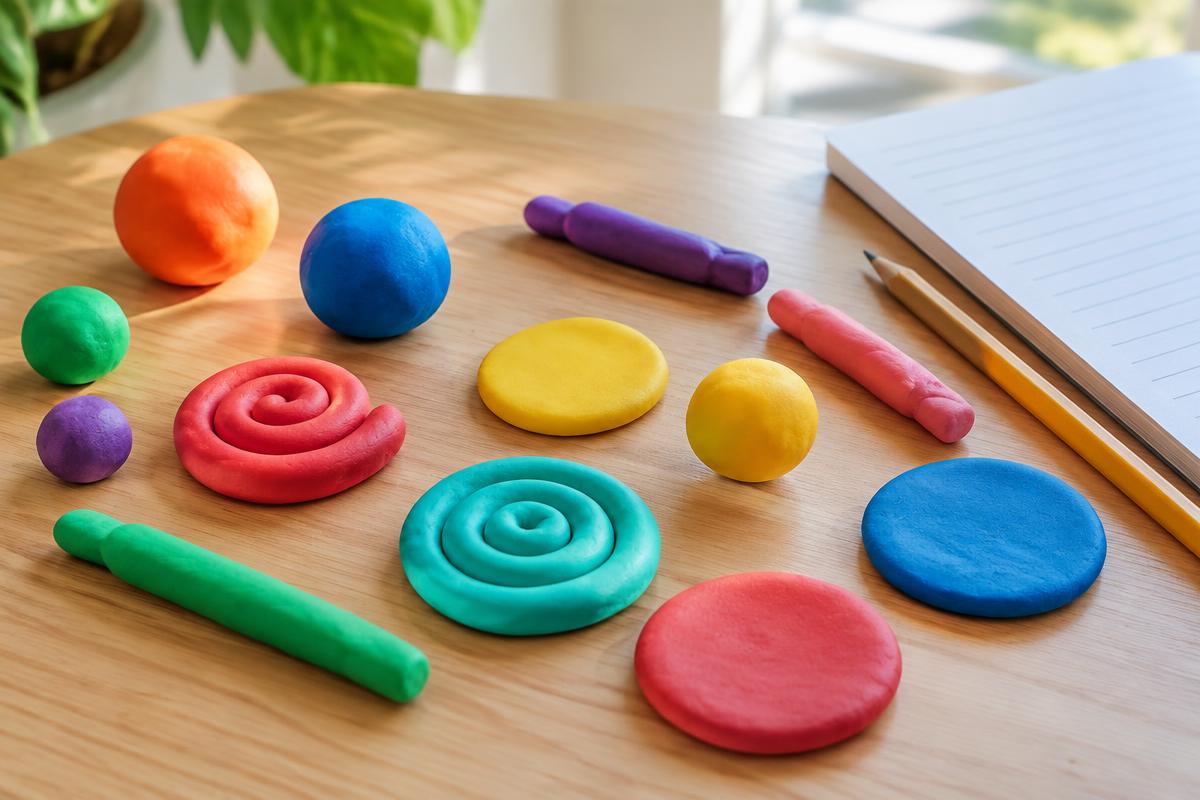
There are many lovely ways to build it, and one of the classics is plasticine. Because it never dries out, it can be reshaped again and again. It is firmer than the soft foam clays many children use, giving those little fingers real resistance to work against.

And really, all kinds of hands-on work count. Kneading bread dough, holding a cookie cutter precisely to press it down, or pinching clothes pegs: every bit of it gives those little hands a chance to work, squeeze, press, and control.

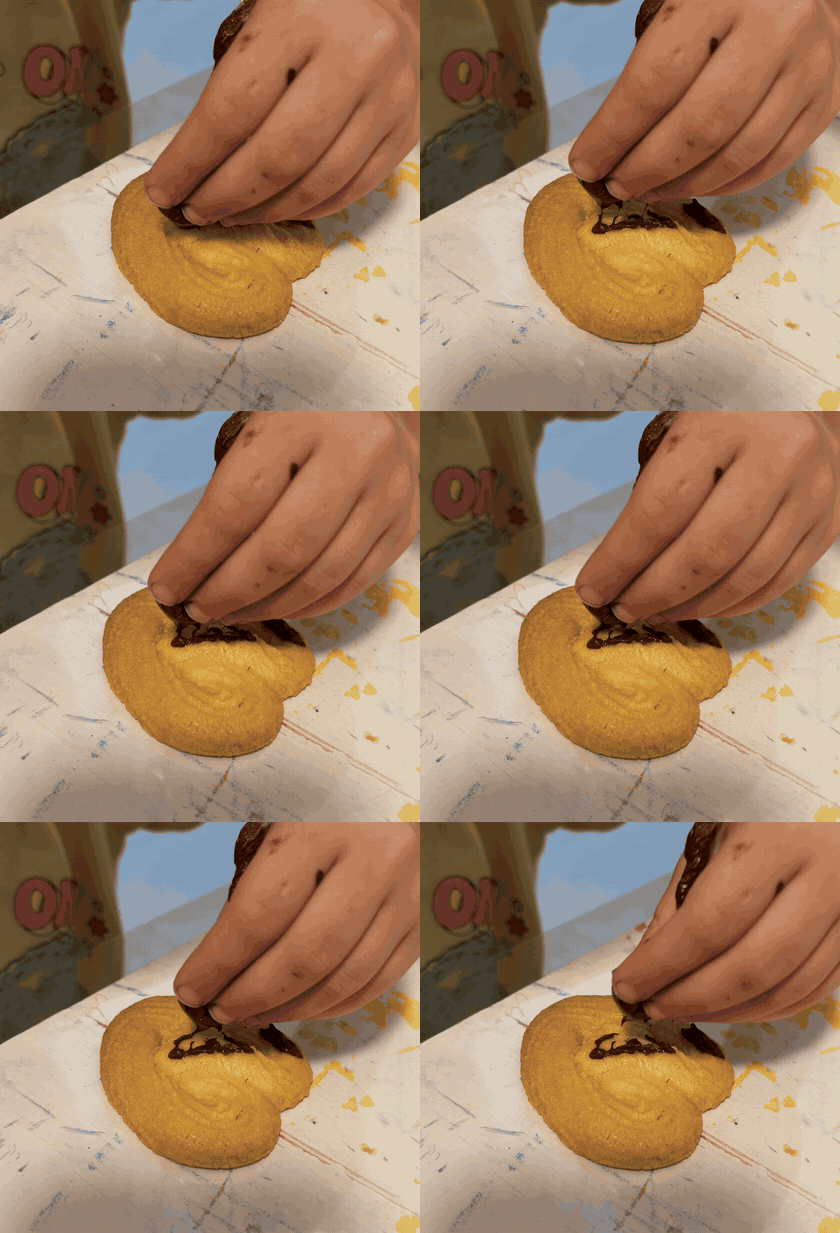
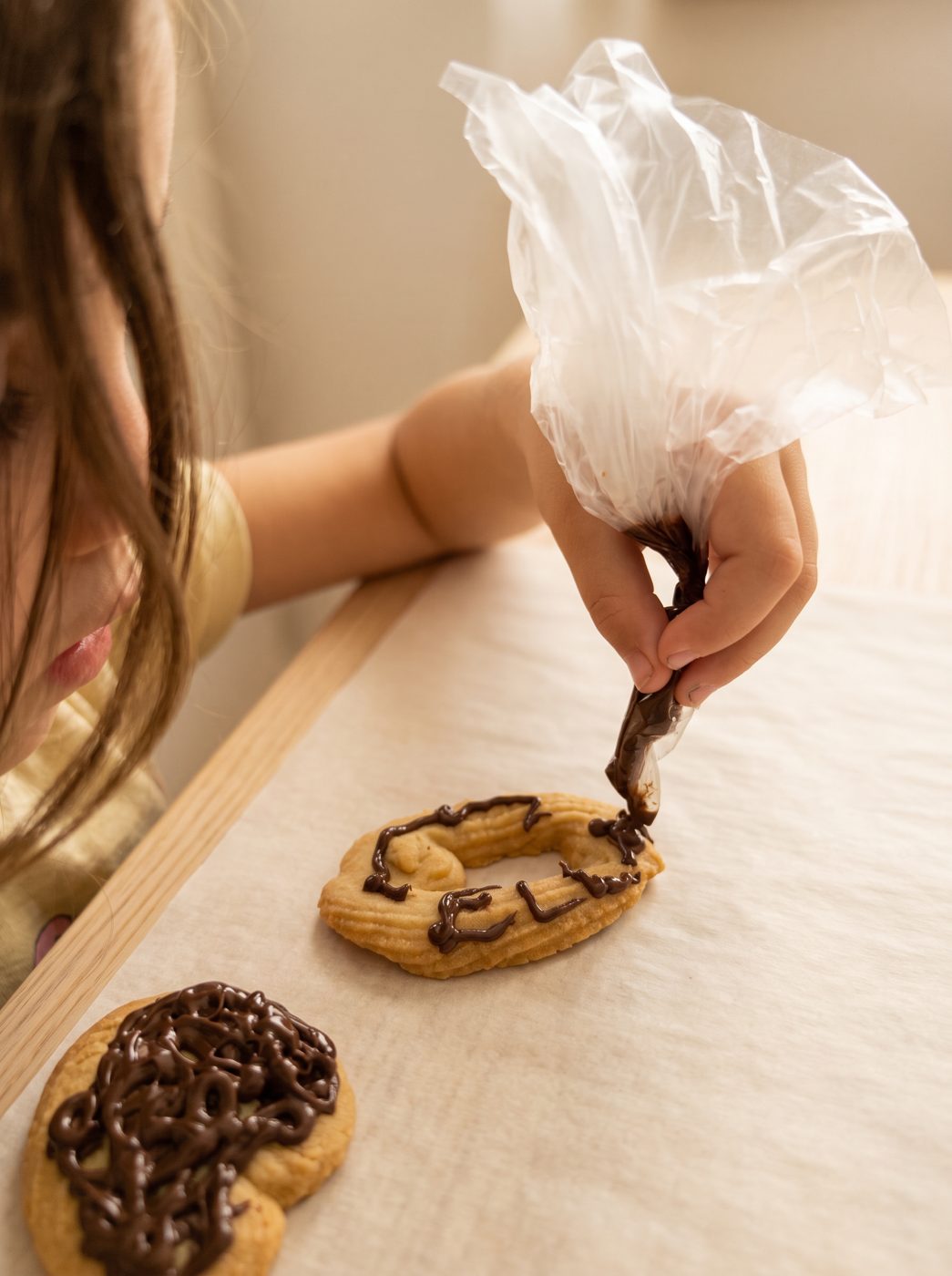
And then for our little secret: take a food-safe sandwich bag, drop in two squares of chocolate, and use hot, not boiling, water to soften the chocolate. Lift it out, squeeze gently, and dip again until melted. Snip the tiniest tip of the corner, and invite your child to pipe letters, squiggles, or lines onto a cookie.

The child thinks they are just decorating a treat. You are quietly building the hands that will one day write those letters.

A child's hands squeezing melted chocolate from a snipped sandwich bag onto a cookie
Snip the corner, squeeze gently, and the writing practice begins.
A child piping chocolate letters onto a butter cookie on baking parchment
Letters in chocolate, guided by a hand that is growing stronger.
Colourful plasticine rolled into coils, balls and flat discs on a light wooden table beside a pencil and notebook
Firmer than foam clay, offering little fingers real resistance.

The button above is an affiliate link. If you buy through it, we earn a small commission at no extra cost to you.

Table Talk & Wisdom

Firm as a wall, but never a thorn

A simple way to teach children to say "stop" firmly, without hurting anyone.

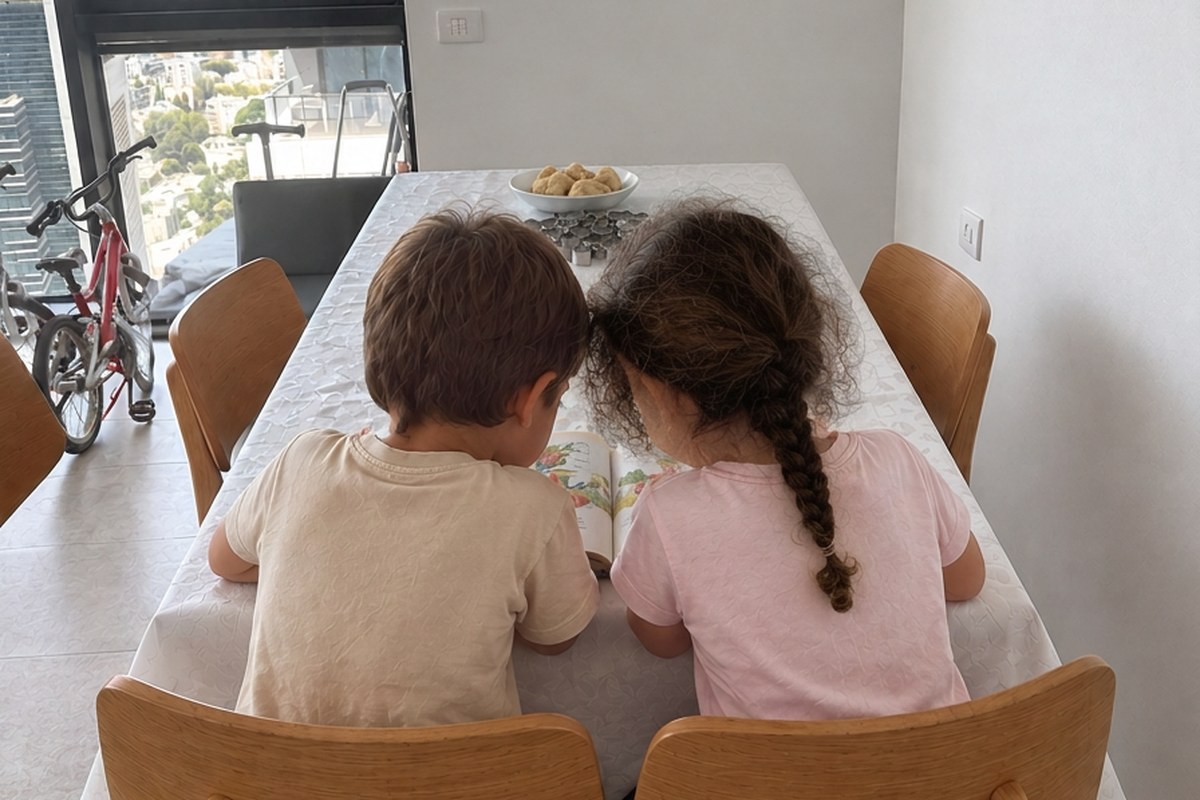
This week I read my children a passage from the Tao Te Ching at lunch, and it stayed with us all week long.

We read it slowly, and then we simply talked about it. What does it mean to be square without sharp corners? To be clear without cutting? My daughter started first grade this year, and I noticed she needed to tell other children to stop, or to give her space, and she was struggling to do it in a way that was firm but not hurtful.

Try it at the table

How can we say "stop" or "I need space" with words that are firm like a wall, but not sharp like a thorn?

“Therefore the Master is square without sharp cutting corners. His straightness is not strained; he is pointed without being piercing. And he is bright but not blinding.”

Tao Te Ching, chapter 58

That one small passage gave us the words. Straight, but not strained. Bright, but not blinding. All week she came back to it, and I could see her practising: saying the hard thing plainly, and still kindly. It helped her more than any lecture from me ever could.

That is the whole secret this week. You do not need a lesson plan. One sentence read out loud over lunch, and then real listening, is enough to change a whole week. The passage comes from a small copy of the Tao Te Ching we keep on the shelf.

Two children leaning together over an open book at a worn wooden table in natural window light
One passage, read together in a quiet, ordinary moment.

The button above is an affiliate link. If you buy through it, we earn a small commission at no extra cost to you.

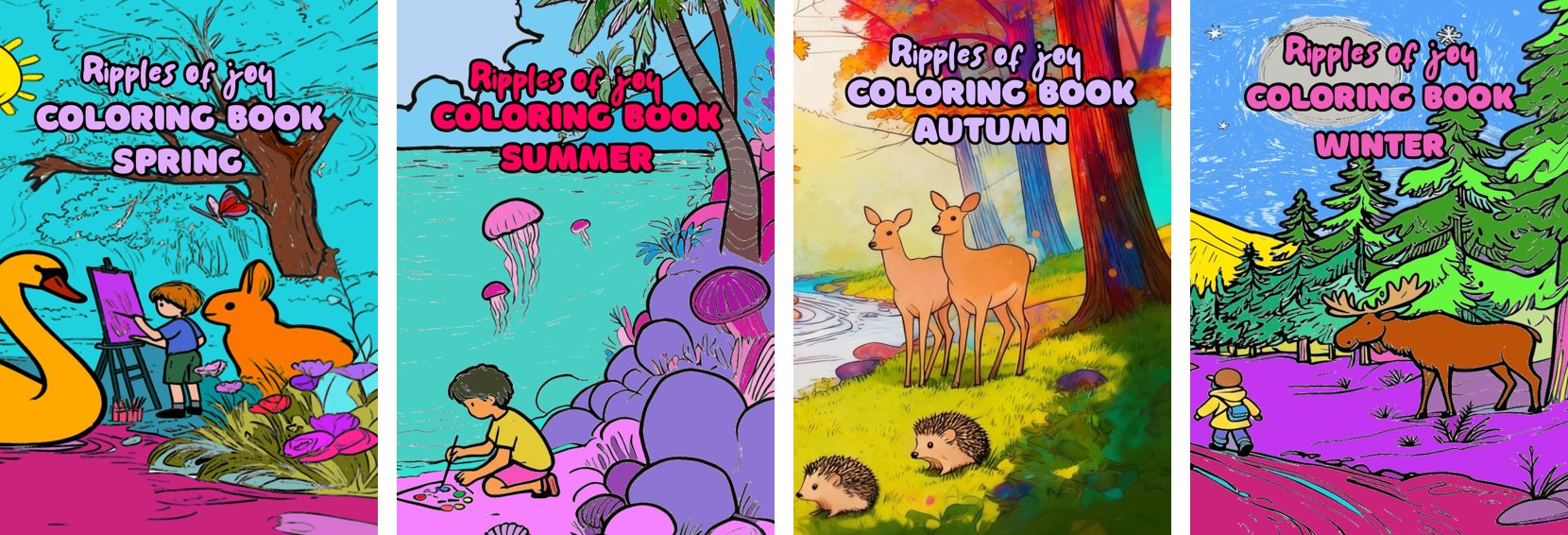
Covers of the four Ripples of Joy coloring books: spring, summer, autumn and winter

Get our 4 Seasons coloring pack, free

Four printable nature coloring books, about 100 pages of animals, flowers and treasures from every season. Then one small idea a week: a craft secret, a nature whisper, or a question for your family table.

By subscribing you agree to our Privacy Policy. Free, every Sunday morning. No spam, and you can unsubscribe anytime.

Looking for something to do today? Browse every activity basket.