Home/Nature Basket/Bug Hotel Observation Basket
Bug Hotel Observation Basket
Nature Basket

Bug Hotel Observation Basket

Build a bug hotel from a tin can and hollow sticks, then check it every few days with a viewer jar and a notebook. Six-year-olds take this remarkably seriously.

This page may contain affiliate links. I earn a commission from qualifying purchases.
Ages 4-1020 min prep

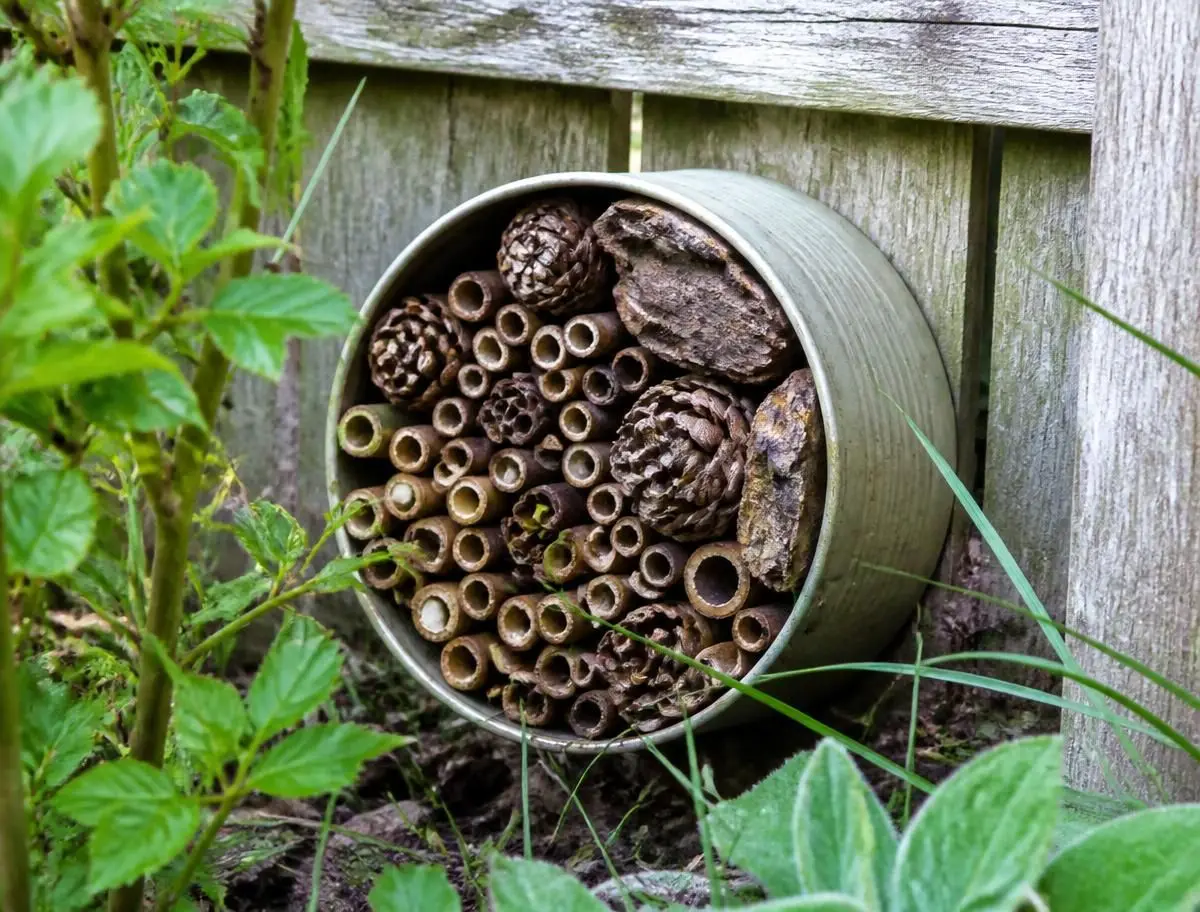
We made ours from a bean tin and a bundle of dead bamboo from the back of the shed, and honestly I expected it to be ignored within a week.

Instead it became a job. Every couple of days my son goes out with the viewer jar and the notebook to see who has moved in, and he is genuinely careful with them in a way he is not careful with anything else.

It is slow, which at six is exactly the point. Nothing happens on day one. Something always happens by week two.

The finished hotel wedged against the fence, out of the wind.
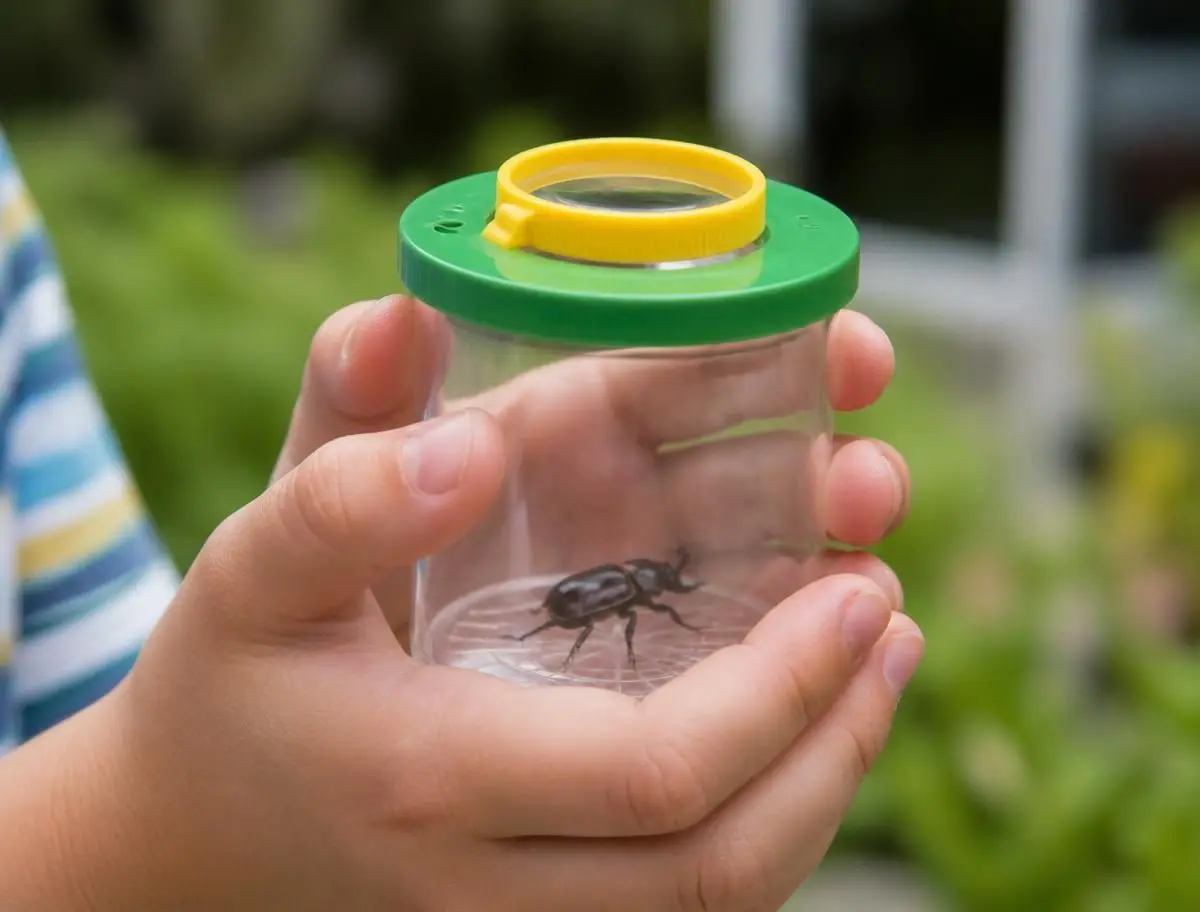
Looking through the magnifying lid before letting it go again.
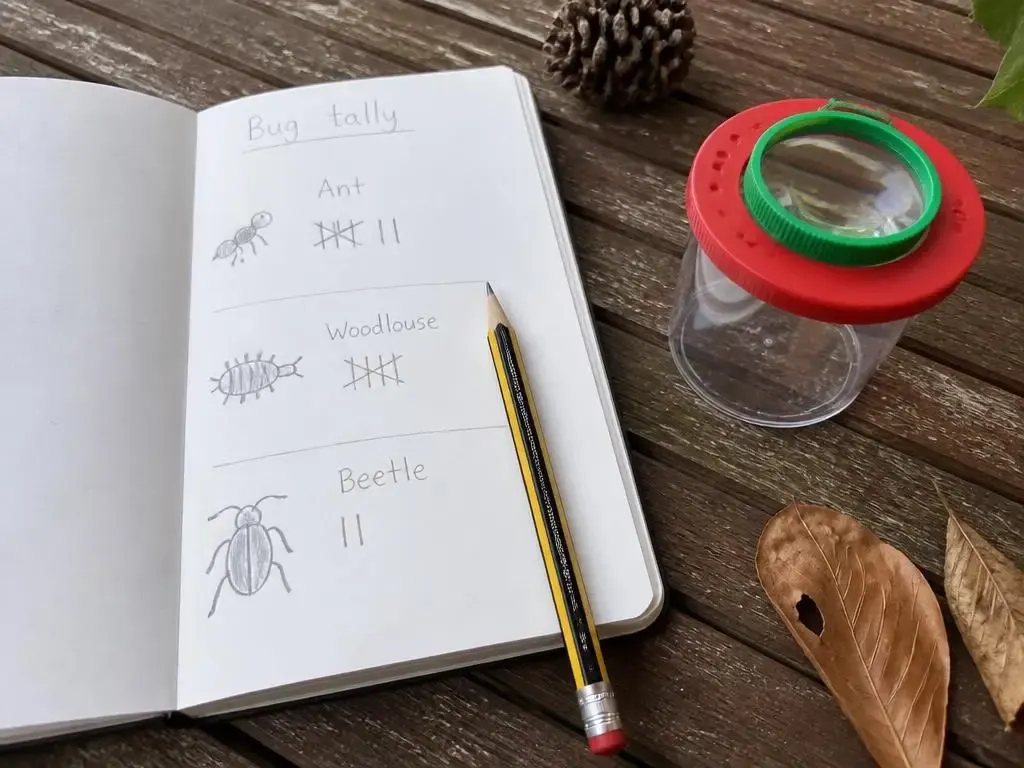
The tally page - ants, woodlice, one very exciting beetle.

What you'll need

  • A clean empty tin can with no sharp edge, or a section of plastic pipe
  • Hollow stems cut to the depth of the can: bamboo, dried hogweed, or rolled paper straws
  • Pinecones, bark, dry leaves and moss to fill the gaps
  • Garden twine for tying the bundle and fixing the hotel in place
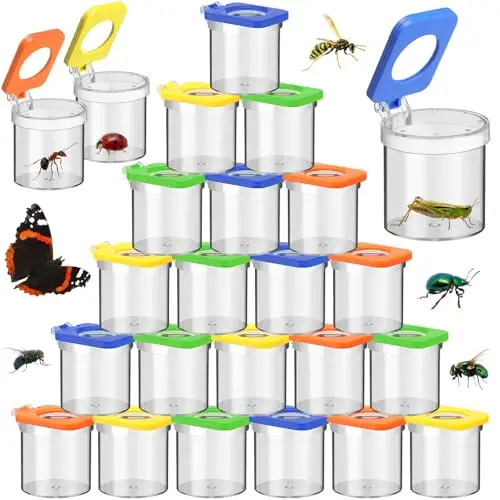
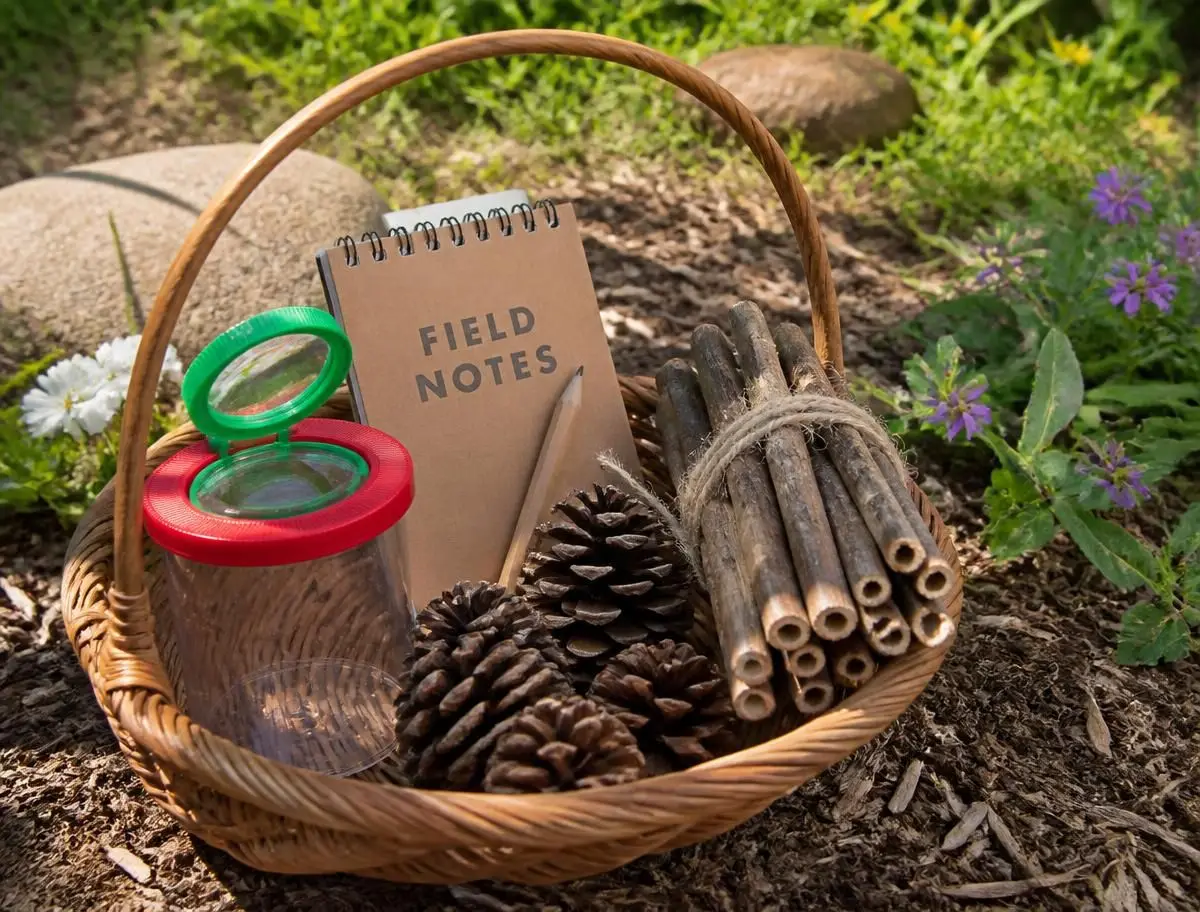
  • A bug viewer jar with a magnifying lid, for looking without squashing
  • A small notebook and pencil for the tally and the drawings
  • Optional: a simple insect identification chart or card for naming what turns up

Underlined items are affiliate links — if you buy through them I earn a small commission, at no extra cost to you 🙏

How to make it

  1. 1

    Cut the hollow stems so they sit just below the rim of the can - the residents need shelter from rain.

  2. 2

    Pack them in tightly, standing on end, then wedge pinecones and bark into the gaps until nothing rattles.

  3. 3

    Choose a spot together: sheltered, out of the wind, morning sun, close enough to the ground for crawling things.

  4. 4

    Tie or wedge it firmly. A hotel that swings in the wind stays empty.

  5. 5

    Wait. Genuinely - three or four days minimum. Talk about what might be looking for a home.

  6. 6

    Do the first inspection with the viewer jar: scoop gently, look through the lid, count, draw, and let it go where you found it.

  7. 7

    Keep a tally page in the notebook. Ants, woodlice, spiders, beetles - a running total across weeks is what makes it feel like real research.

  8. 8

    In autumn, check the sealed tubes. Mud plugs mean solitary bees have laid eggs inside, and you leave those completely alone until spring.

Tip

Every creature goes back where it was found, same day. That rule makes the whole thing work. Do not use freshly cut green stems - they go mouldy; dry, dead, hollow stalks are what you want.

Looking for everything we use?

Every product linked on this blog lives in one sorted place, with what it is, where we used it, and why I’d buy it again.

Browse Joy’s Recommendations →